


The clock on ranked hit single digits and Azula folded the stage into a trap. My inputs felt smaller than they were; momentum slipped away in a blink. I wrote the rest of the match down as a lesson on how one character can dictate every exchange.
In local arcades and Steam lobbies I keep seeing the same clips: one character corrals an opponent and doesn’t let go.
Avatar Legends: The Fighting Game released with over a dozen fighters and a surprisingly narrow meta already forming. You don’t need every character to win—what you need is the right read, a decent muscle memory loop, and a feel for who forces decisions.
Avatar Legends: The Fighting Game released with over a dozen fighters and a surprisingly narrow meta already forming. You don’t need every character to win—what you need is the right read, a decent muscle memory loop, and a feel for who forces decisions.
I’ve put dozens of hours and matches into this launch meta, testing in training, ranked, and community lobbies on Steam and console builds. Below I split the roster into three practical tiers—who you should pick to climb, who can surprise, and who will demand a devotion most players won’t pay.

Who is the best character at launch?
If you chase raw impact, Azula sits at the peak. She controls space with traps and sustained pressure in a way that outclasses most of the cast. In practice, she can lock you in a corner and keep you there—her toolkit forces you to play on her terms.
S-tier
- Azula: I put her in a class of her own for one reason: control. Azula is a pressure cooker—she builds tension until the opponent makes a single mistake, then she explodes. Traps, high DPS follow-ups, and frame-friendly loops mean she wins by denying options. If you want a single-pick climb on PC or console, she is the clearest route.
- Korra: Korra is a bulldozer on offense. Her strings are easy to land and extend into multiple follow-ups that keep momentum in your hands. She rewards straightforward aggression: pin an opponent, chain combos, and seal rounds before they reset.
- Toph: Pure aggression and armor mechanics let Toph force interactions others can’t. She’s not subtle; she asks opponents to answer, often at a range they don’t want. If you like forcing decisions and punishing panic, Toph is a short learning curve with big payoffs.
- Aang / Avatar Aang: Aang scales with experience. In the hands of a player who respects spacing and movement he locks down neutral and creates openings; in average hands he feels slippery and fragile. Treat him as S-tier only if you’ve practiced his movement loops in training mode.
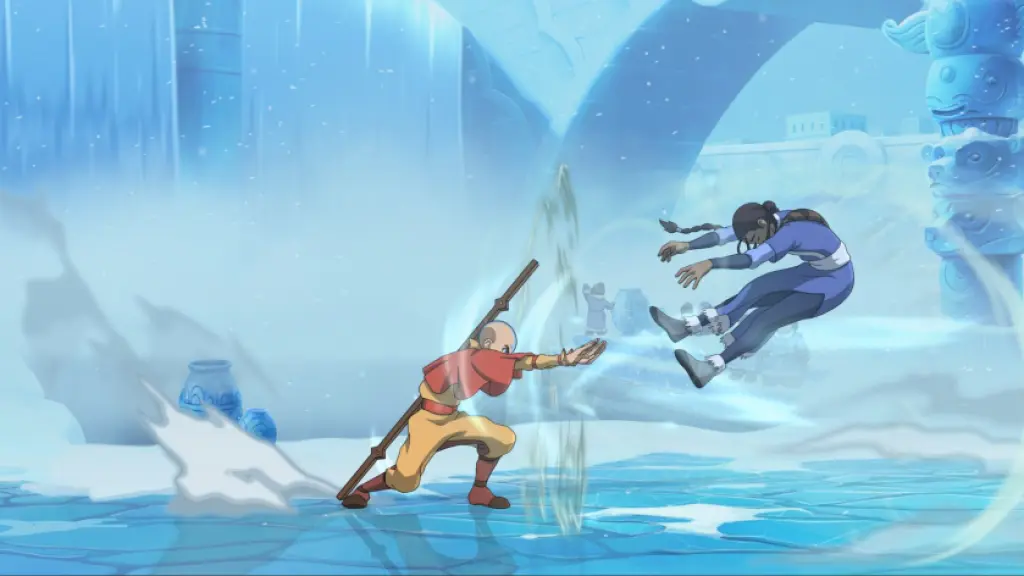
In ranked highlights you’ll notice patterns repeat: some fighters demand time, others demand respect.
Here’s how to read the mid-tier choices and where they fit into your plan.
Here’s how to read the mid-tier choices and where they fit into your plan.
Which fighters are easiest to learn?
Zaheer and Ozai are forgiving for players new to the game’s flow. Zaheer’s summons and safe pressure buy you room to explore combos; Ozai rewards good reads with heavy throws and corner control. If you’re hopping on Steam or testing on PlayStation/Xbox, those two shorten the time between button presses and tangible results.
A-tier
- Katara: Excellent offensive options with Water Hill and Flow, but she asks you to master movement patterns. Expect a learning curve matching standard fighting-game fundamentals: footsies, spacing, and whiff punishes.
- Zaheer: Fun, beginner-friendly, and creative. He’s not oppressive, but he’s forgiving. Good for players who enjoy a toolkit that masks execution gaps during ranked climb.
- Fire Lord Ozai: Versatile and satisfying. He’s not the strongest at any single thing, but he can close rounds with grapples and corner pressure. Great for players who like to control tempo in mid-range engagements.
- Nightmare Korra: A decent variant, but restricted movement hurts her at higher ranks where players punish predictable approaches.
At local meetups and online guides I’ve seen the same frustration: some characters have neat tools that don’t add up.
Below are the roster members that ask more from you than they give back.
Below are the roster members that ask more from you than they give back.
B-tier
- Kyoshi: Her special has game-changing potential but her overall speed is slow. In higher Elo she struggles to create openings against more mobile fighters.
- Zuko: Great kit on paper, but base damage and reach hold him back. Against pressured opponents his limitations become obvious.
- Sokka: Community expectations put him higher than my testing supports. Boomerang timing and limited mobility feel clunky; he asks for more time investment than most casual players will give.
If you want to climb quickly, focus on characters that impose decisions rather than those that ask for perfect reads. Use training mode, study frame windows, and follow community Discords and Steam groups for matchup clips and tech. Tools like hitbox overlays and the built-in training recorder will shave hours off your learning curve—EVO-level players and content creators on YouTube already use those to refine setups.
Balance will shift with patches; developers and community figures monitoring launch feedback on Steam and across consoles are likely to nerf or buff the obvious extremes. For now, pick the handful that match your playstyle, drill a couple of safe confirms, and exploit the meta’s current weaknesses—are you going to adapt or keep repeating the same losses?
Support our work ❤️
If you enjoyed this article, consider leaving a tip to help us keep publishing great content.
