


I was two blocks from my shelter when a sharp, urgent chirp cut through the jungle noise. A parrot landed on my shoulder and started squawking—seconds later a creeper exploded where I would have been standing. That tiny bird saved my night and forced me to rethink companions in Minecraft.
I’m going to show you how to turn a twitchy jungle parrot into a shoulder buddy, a warning system, and yes, a dance partner. Read fast; the jungle doesn’t wait.
Jungles are full of seeds and color — and that’s all you really need
Parrots spawn in jungle biomes: regular jungle, bamboo jungle, and sparse jungle. You don’t need rare loot or a fortress run — just the right seeds and patience.

Bring any of these to win a parrot’s trust:
- Wheat seeds
- Pumpkin seeds
- Melon seeds
- Beetroot seeds
- Torchflower seeds
- Pitcher pod seeds
Every seed you feed has a 10% chance to tame the bird. In practice, pack at least a stack of 10 seeds so you’re not chasing one all afternoon.
What do you feed a parrot in Minecraft?
Any of the seeds listed above will work. Torchflower and pitcher pod seeds are newer additions from recent updates; wheat, pumpkin, melon, and beetroot seeds are the classic options.
Taming is simple but requires patience — approach slowly and stay calm
If you sprint in, the parrot will fly. Slow down, keep seeds in hand, and let the process happen.
- Find parrots in the jungle or bamboo jungle during daytime.
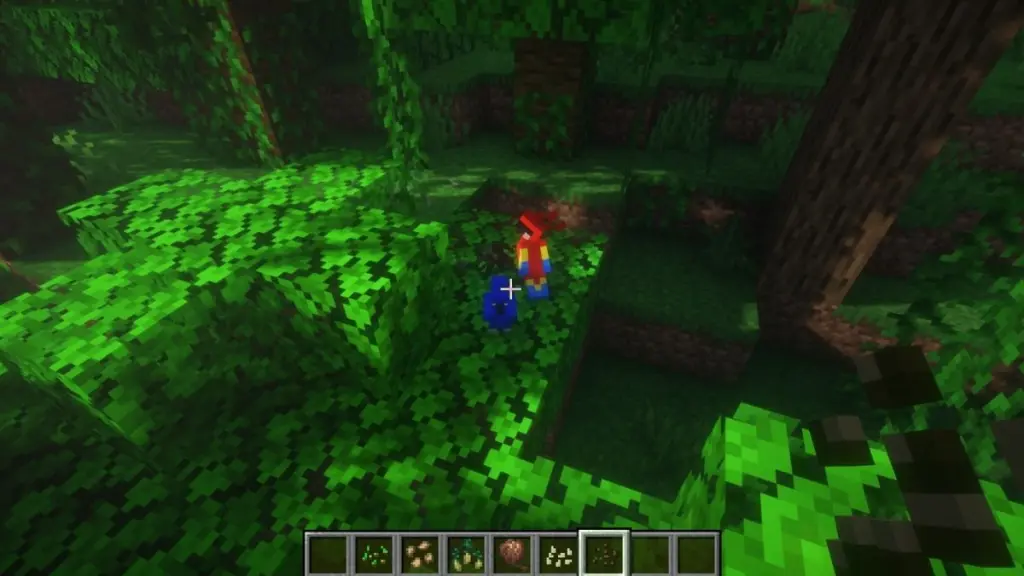
- Hold seeds in your active hotbar slot and walk up slowly so the bird doesn’t flee.
- Use the interact key (right-click on PC) while aiming at the parrot to feed it.
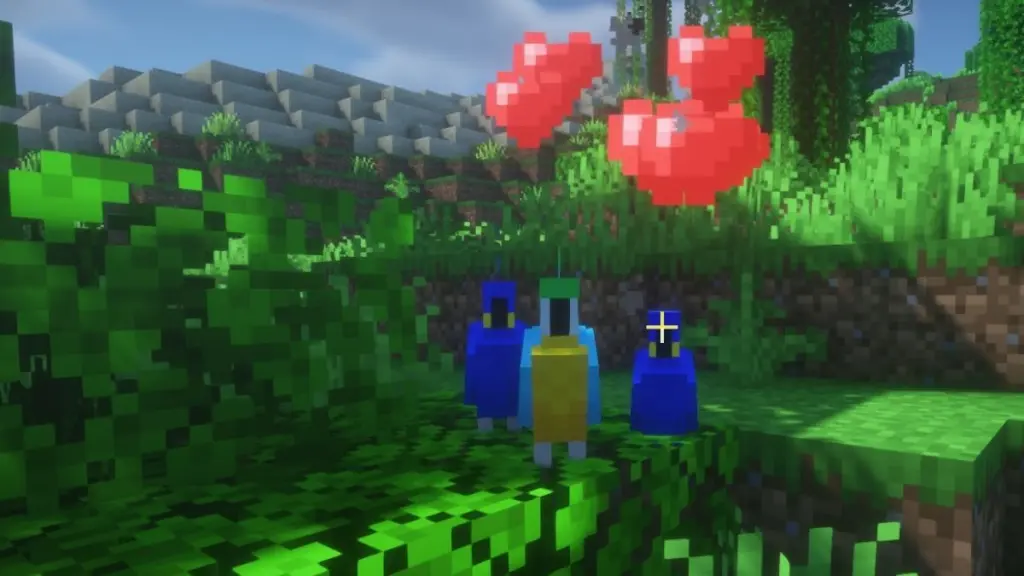
- Repeat feeding until red hearts appear above its head — that’s your tame confirmation.
How many seeds does it take to tame a parrot?
There’s no fixed number, but each feed has a 10% success chance. Statistically you’ll tame one within about ten seeds, so bringing 10–20 seeds gives you a comfortable buffer.
A tamed parrot changes how you move through the world — it watches, warns, and reacts
Once tamed, parrots are far more than decoration. They follow behavior patterns that can actually help you survive or entertain you.
Get a Parrot on Your Shoulder
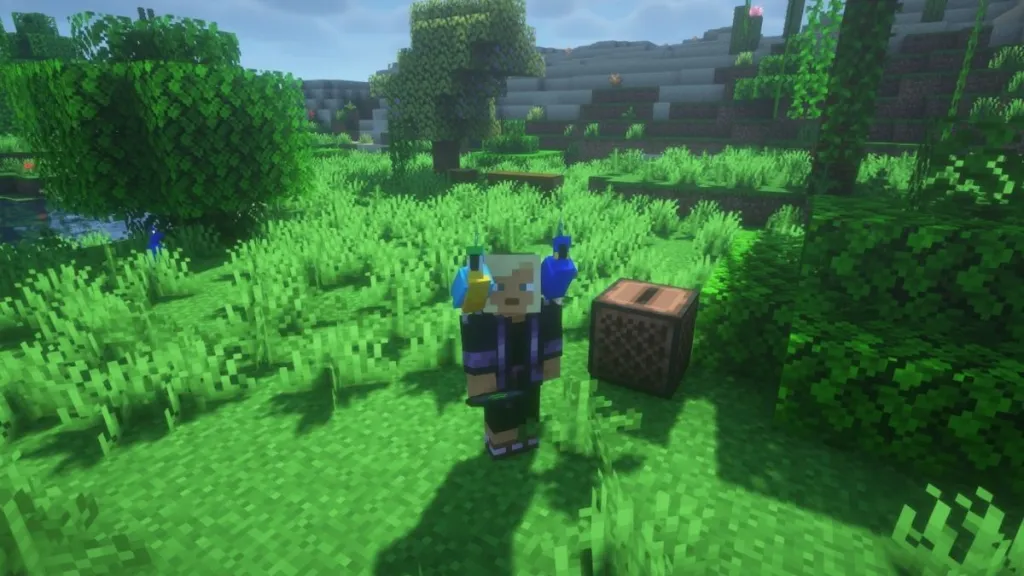
If a parrot is standing and not sitting, simply walk up to it and it will hop onto your shoulder — no command needed. While perched, it mirrors where you look and feels like a constant buddy.
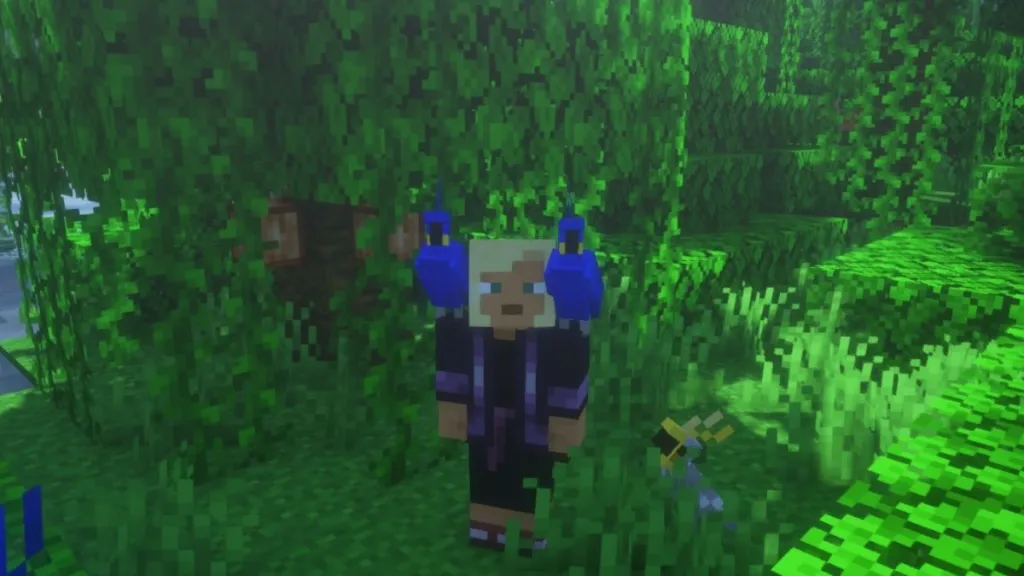
Note the ways it will hop off: taking damage, entering water, touching powder snow, sleeping in a bed, using Elytra flight, falling from a high ledge, landing on a higher block, or switching to Creative flight. Plan your portal and nether runs accordingly.
Cookies are Toxic to Parrots
Here’s a real-world nod Mojang built into the game: feeding a cookie will kill a parrot in Java Edition or poison it fatally in Bedrock. The code reference to chocolate’s toxicity in real parrots is intentional—don’t test this.

Mimic Monster Sounds
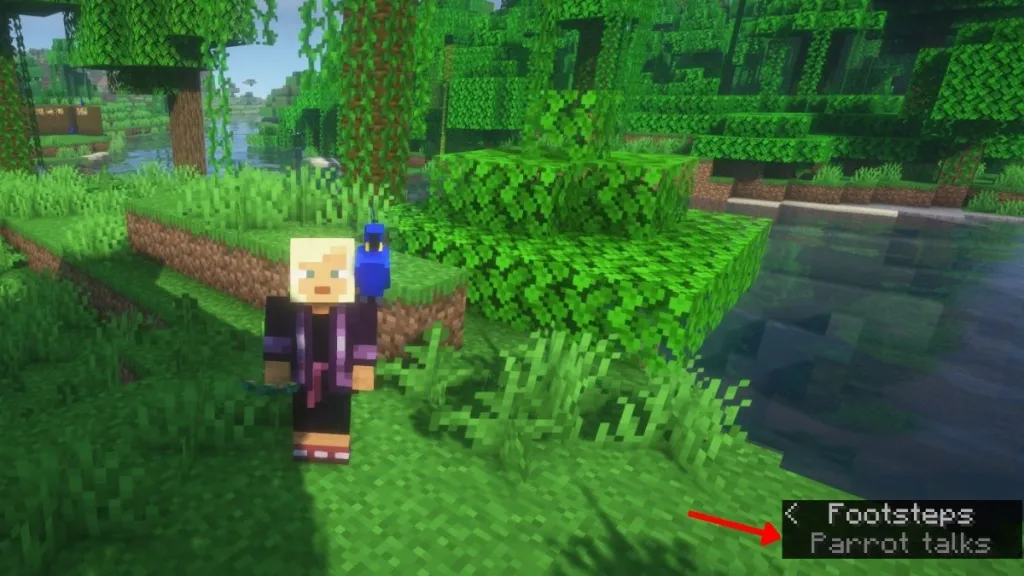
Parrots imitate nearby mobs: creepers, zombies, skeletons, endermen, wardens, blazes, ghasts, pillagers, piglins, and more depending on edition. Use that imitation as a stealth warning system—the parrot will bellow dangerous sounds before you see the mob, acting like a pocket-sized smoke alarm.
Parrots Can Dance
Place a Jukebox, insert any music disc, and the parrot will bob its head until the music stops. It dances like a tiny carnival drummer whether perched or on your shoulder — it’s a small, joyful spectacle.
A final tip from my runs: if you use communities like the Minecraft Wiki, Reddit, or the Mojang bug tracker, you’ll see player stories that confirm the parrot’s quirks — the mimicry and cookie hazard show up in community threads often. Keep one thing in mind: parrots do not breed in Minecraft, so each tamed bird is earned, not produced.
So — will you risk carrying a live warning system on your shoulder, or keep your inventory tidy and silent?
Support our work ❤️
If you enjoyed this article, consider leaving a tip to help us keep publishing great content.
